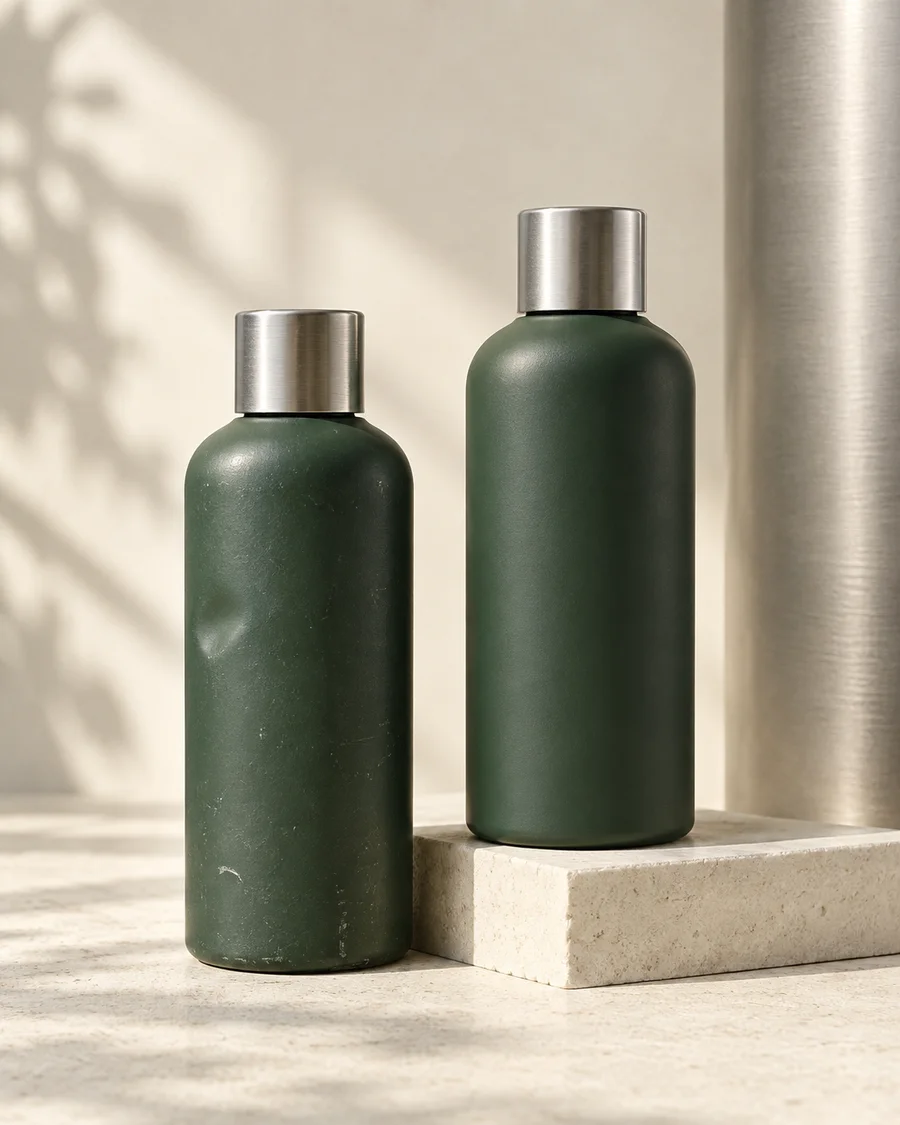
The same product, a different chapter
Imagine finishing a cleanser in early summer and buying it again a few months later. The first bottle was part of a busy travel routine. The next stays at home. The product may look identical, but the circumstances, dates, and notes are different. A single start date and a single verdict cannot describe both experiences clearly.
If you replace the old dates with the new ones, you lose the first chapter. If you create an unrelated product every time, you scatter the history. Uselyt connects a recognisable product to separate runs, giving each period of use its own beginning, check-ins, finish, and verdict.
Uselyt’s run history keeps these chapters together on your iPhone. Each one records the experience you choose to save, so a repeat purchase can feel familiar while still having room for a different routine, a new observation, or a changed verdict.
Purchase and start are different moments
Buying something does not always mean using it immediately. A spare bottle might wait in a cupboard while the previous one is still open. Recording the purchase separately from the start preserves that distinction. It also avoids treating time on a shelf as time in use.
Purchase dates are optional in Uselyt. If you do not remember one, leaving it unknown is clearer than inventing a date that looks precise. Purchase, start, and finish can each have an optional clock time. When you only know the day, the record stays a day-level record; choosing a time records it to the minute.
This is useful even when the history is incomplete. You might know when you opened a package but not when it arrived. Or you might remember finishing it over the weekend without knowing the hour. A record that respects what you actually know will be easier to interpret later.
A new run adds to the story. It does not rewrite the previous chapter.
Keep observations with the run they describe
The first few uses can feel different from the last. A check-in gives you a place for that change without turning a quick reaction into the final word. You can record your sentiment, a note, and an optional personal estimate of how much remains. That estimate is your observation, not a measurement inferred from a photograph.
At the finish, a repurchase verdict captures where you landed after that run. Buy again may follow a period of use you found reliable. Maybe can leave room for another comparison. Never again records a decision you would rather not have to reconstruct later. A finish note can explain the context.
Uselyt keeps the run’s favorite-at-finish state and its verdict with that history. A newer run can lead to a different answer. The point is to make that change understandable, rather than force every previous experience to match your latest opinion.
Patterns need enough real history
A single completed bottle tells you about that bottle. It does not establish a dependable future lifespan. Use can vary with routine, amount used, interruptions, or how many people share an item. A clear history lets you notice those differences before attaching too much meaning to one duration.
Uselyt’s typical lifespan uses the median only after at least three valid, dated completed runs of the same product. This is a summary of recorded history, not a promise about when the next bottle will finish. It should be read alongside the dates and notes that produced it.
There is no need to fill gaps with guesses to reach that threshold. An unknown date can remain unknown. The shelf is still useful for recognising products, revisiting notes, and remembering your verdict even when a timing summary is not available.
Start again without starting over
When the familiar product returns, a new run gives it room to be current again. Add its own optional purchase date, start it when you begin using it, and leave the previous run intact. The product history can then show a sequence that makes sense: what you used, when you used it, and how you felt at each finish.
That sequence also makes recall more personal. The question is no longer simply “Have I bought this?” It becomes “What happened last time, and is that still relevant to this time?” Sometimes the answer stays the same. Sometimes a new context deserves a different verdict.
Your saved runs and photos stay on your iPhone, in separate account and guest shelves. They are not synchronised to a cloud product shelf. The history grows through the records you choose to keep, giving the next purchase a beginning without taking away the story before it.
See how Uselyt remembers repeat use, and explore what makes a personal product note useful.